Early Years
Rehearsals, formative lineups, instruments, and the informal environments in which a group first develops its sound.

Photos
Photographs capture another side of the Mission Mountain Wood Band story. A stage image can show the scale of a performance, a rehearsal photograph can reveal how the musicians worked together, and a simple road snapshot can say as much about touring life as a formal portrait.
This visual selection reflects the settings most closely associated with the band: Montana landscapes, rehearsal rooms, concert stages, photography, promotional material, and behind-the-scenes production.
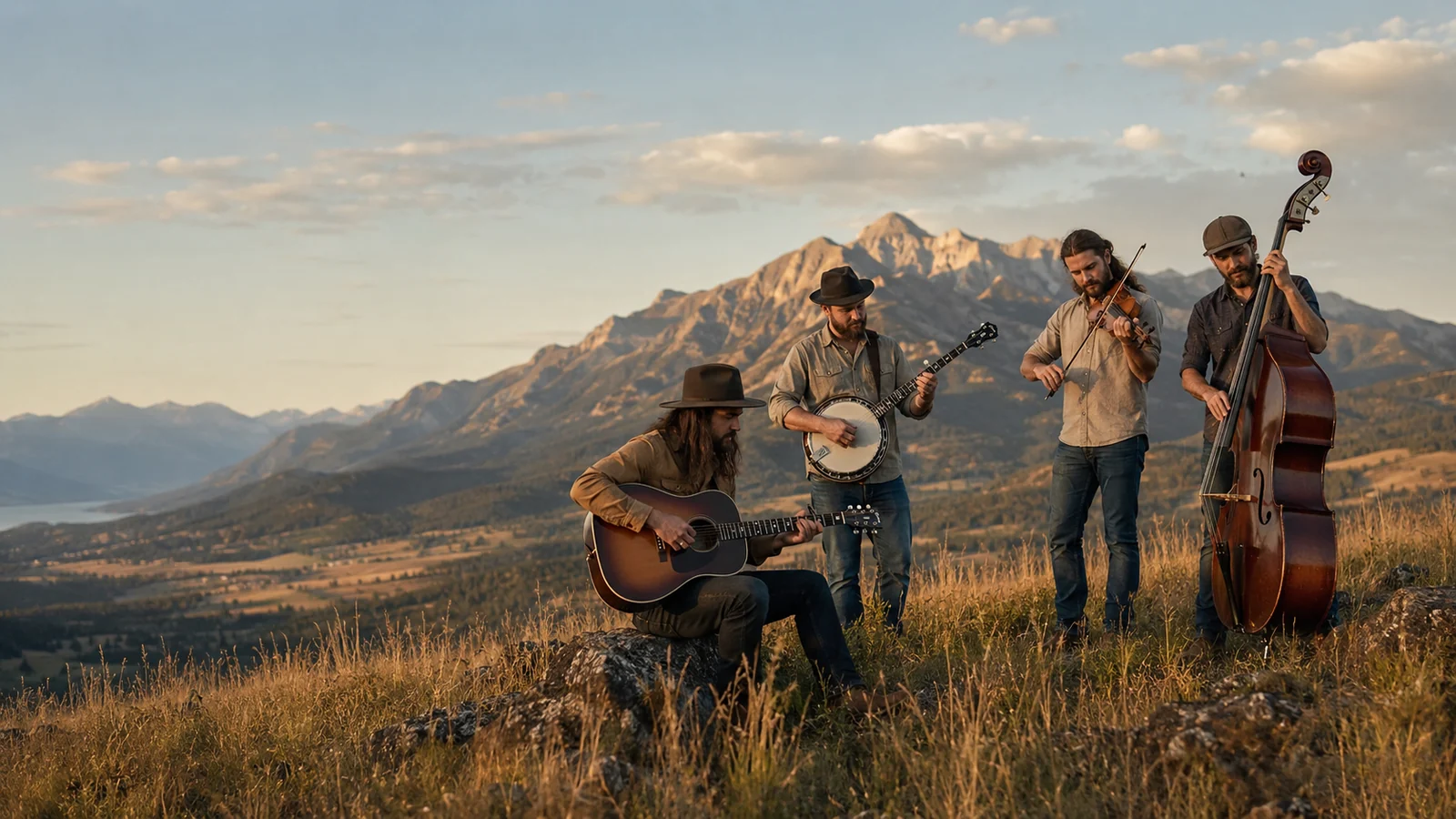
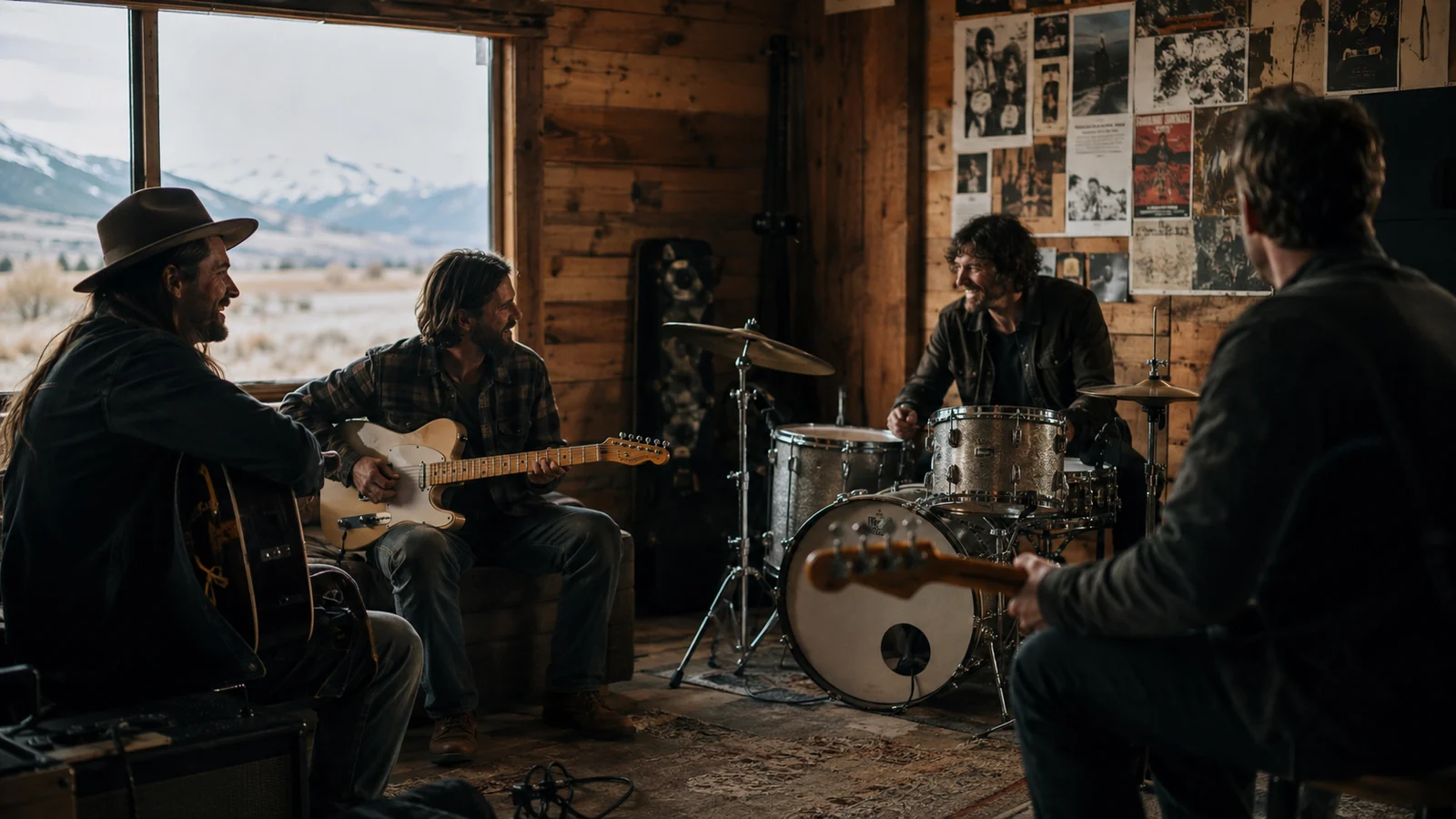
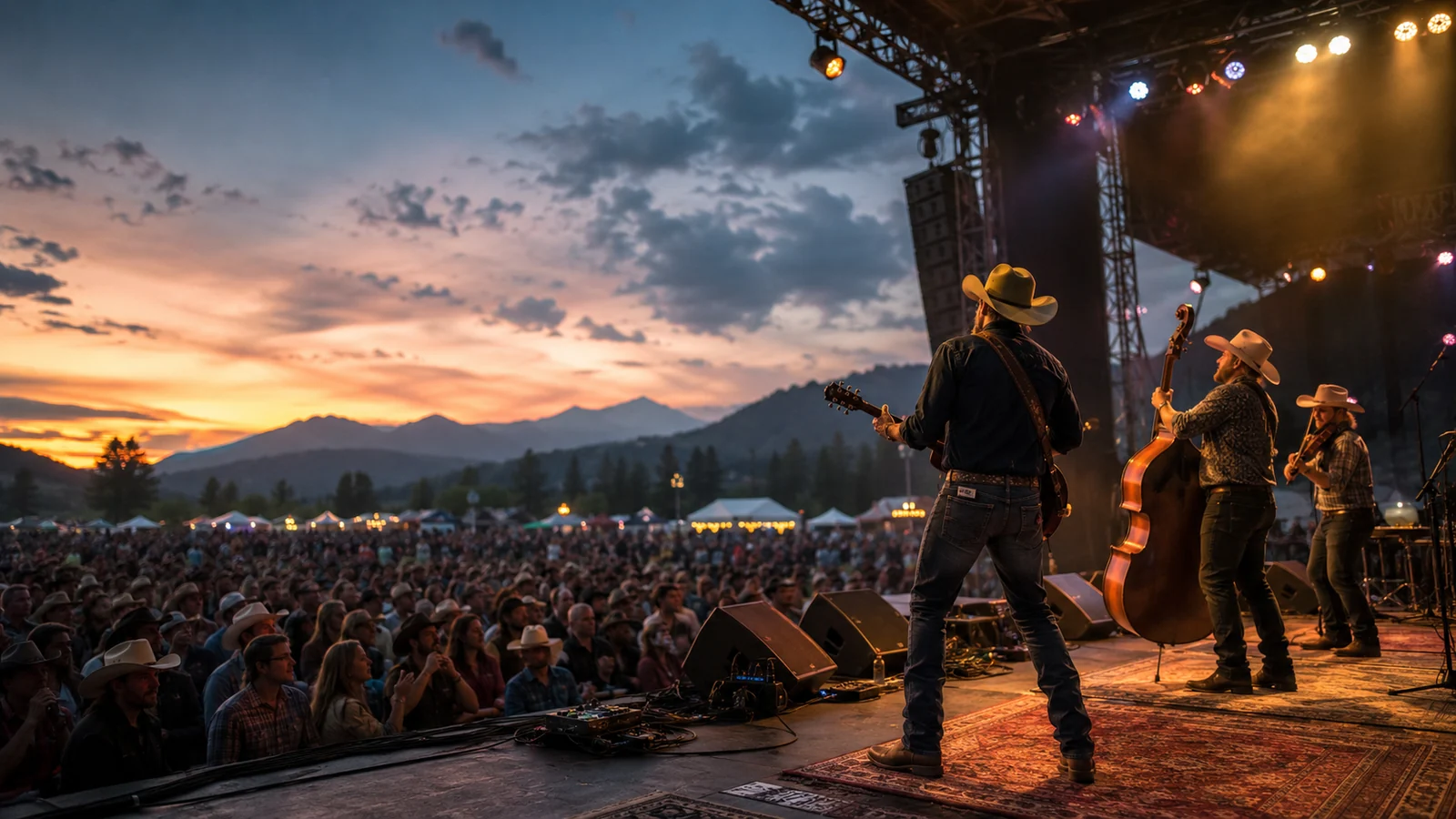
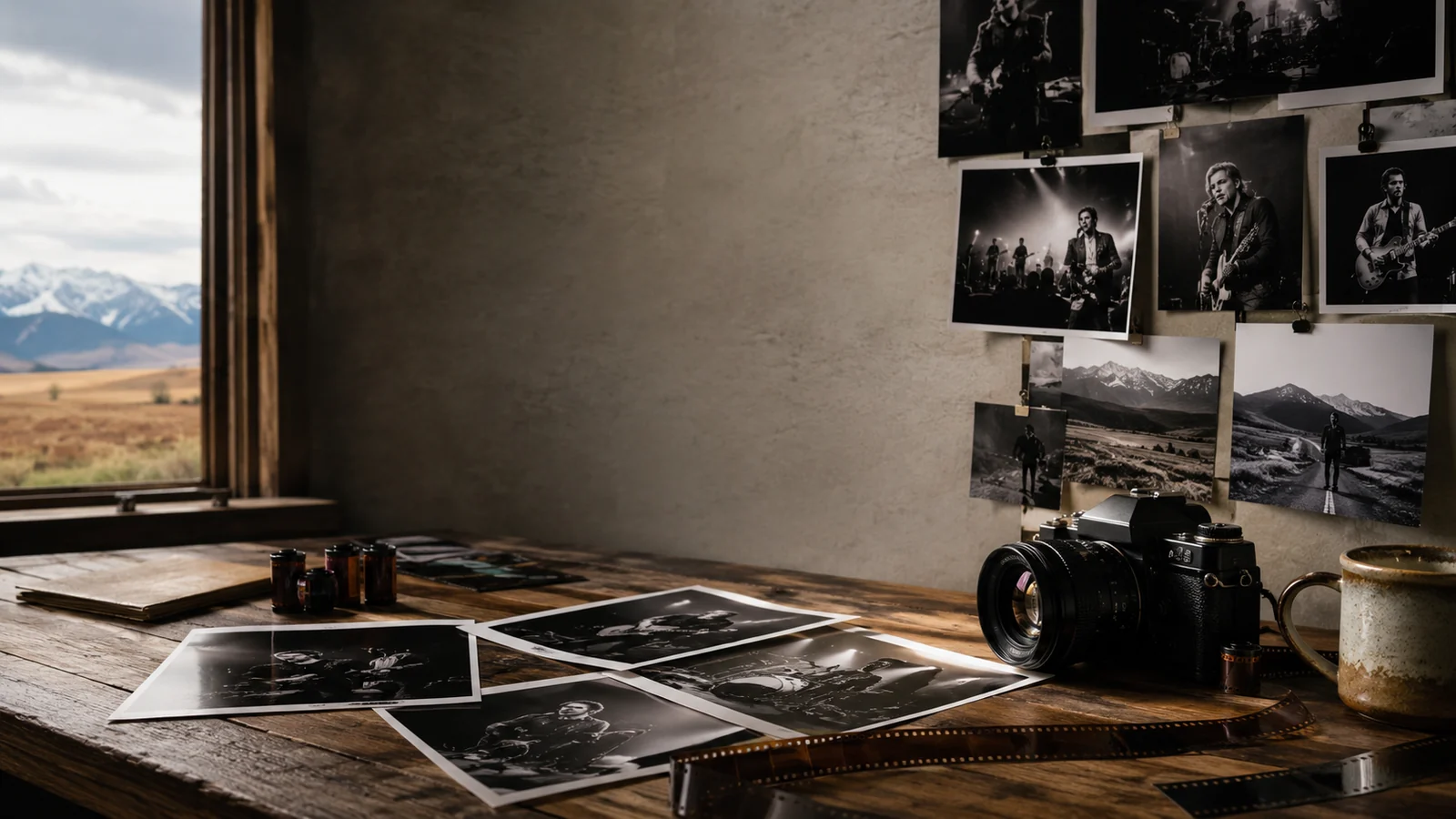
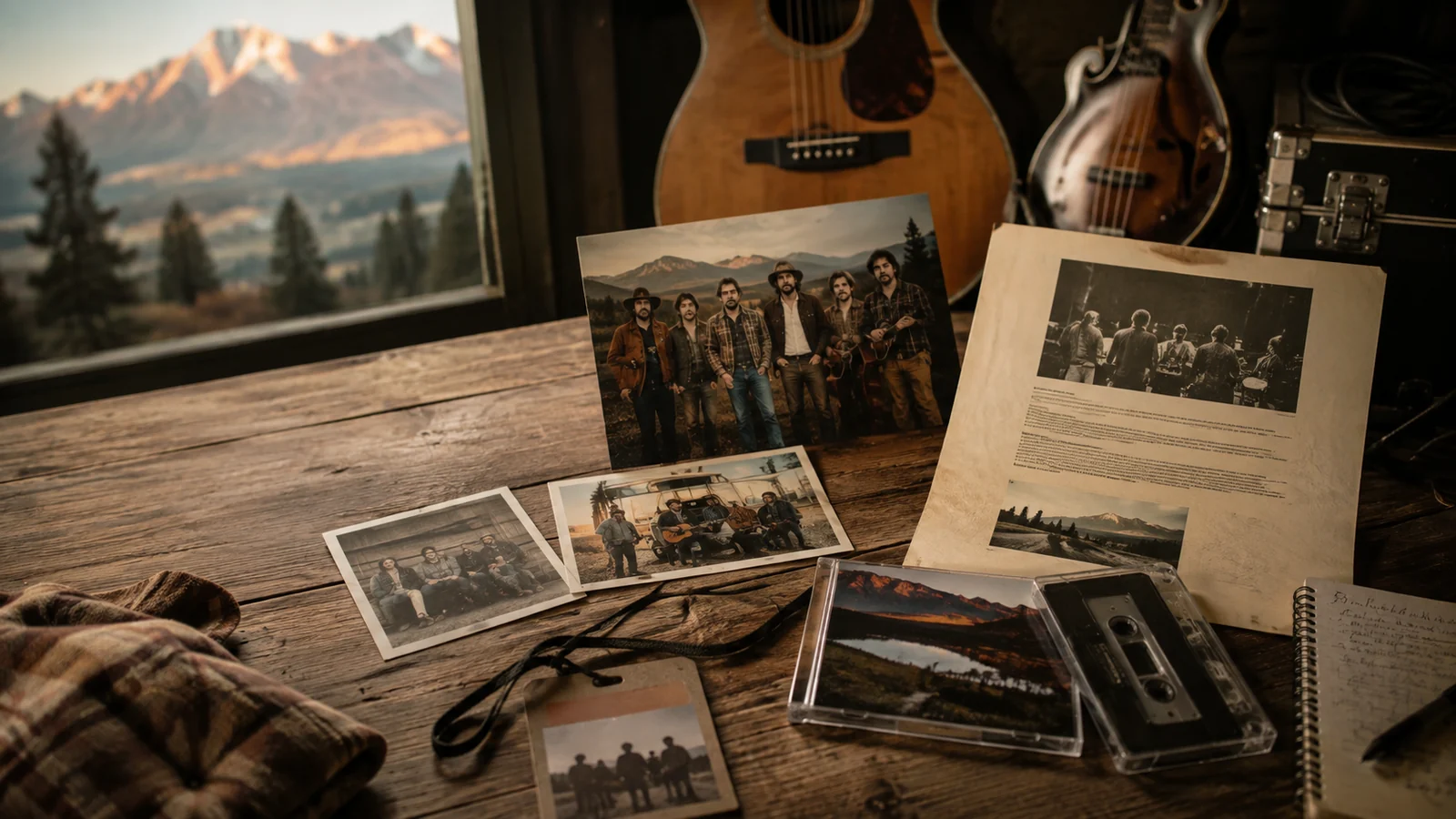
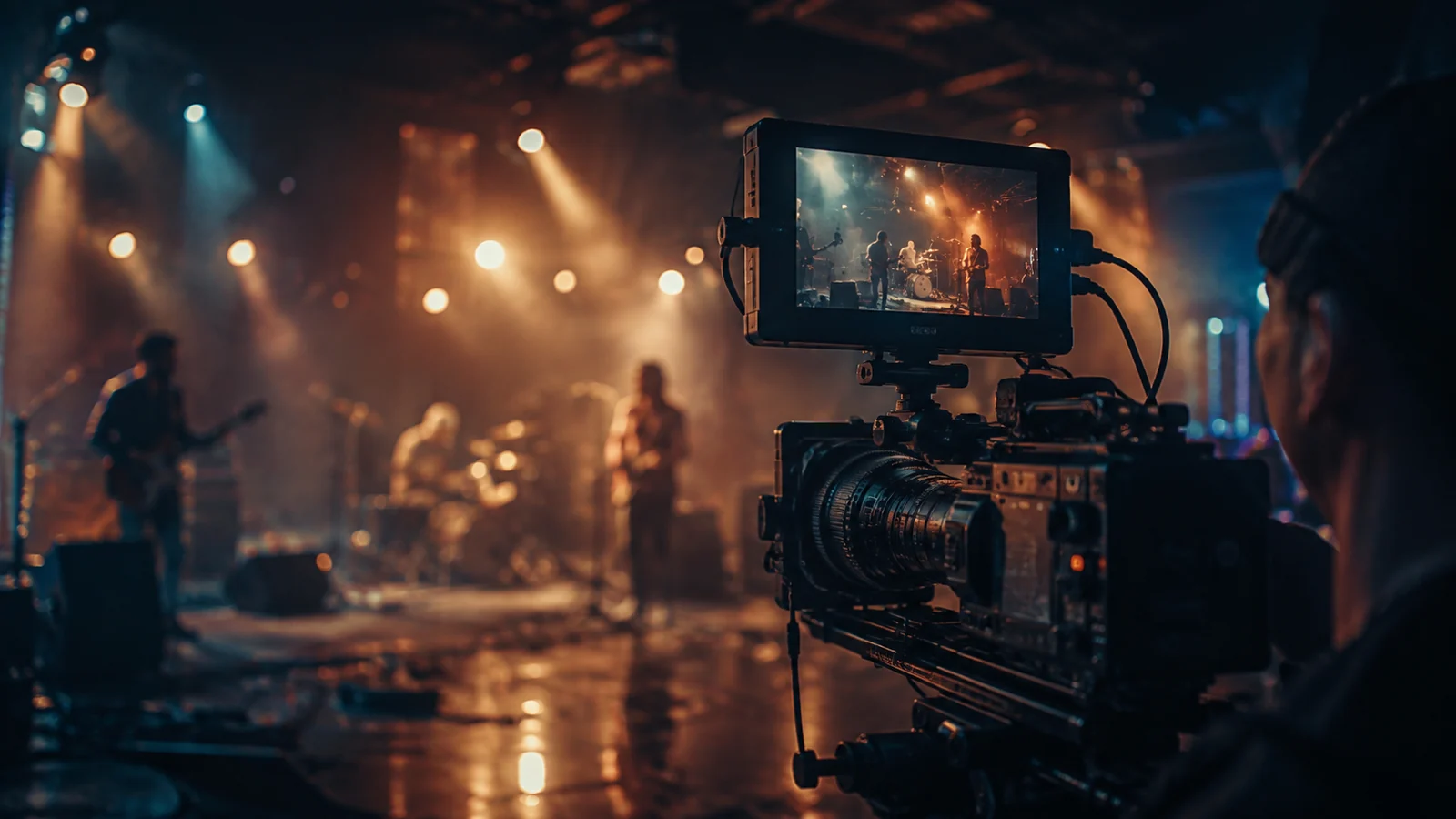
The collection is organized around four recurring parts of a working band’s life. Each theme provides a different way to understand the people and places behind the music.
Rehearsals, formative lineups, instruments, and the informal environments in which a group first develops its sound.
Travel, vehicles, backstage moments, roadside stops, and the practical rhythm of moving from one performance to the next.
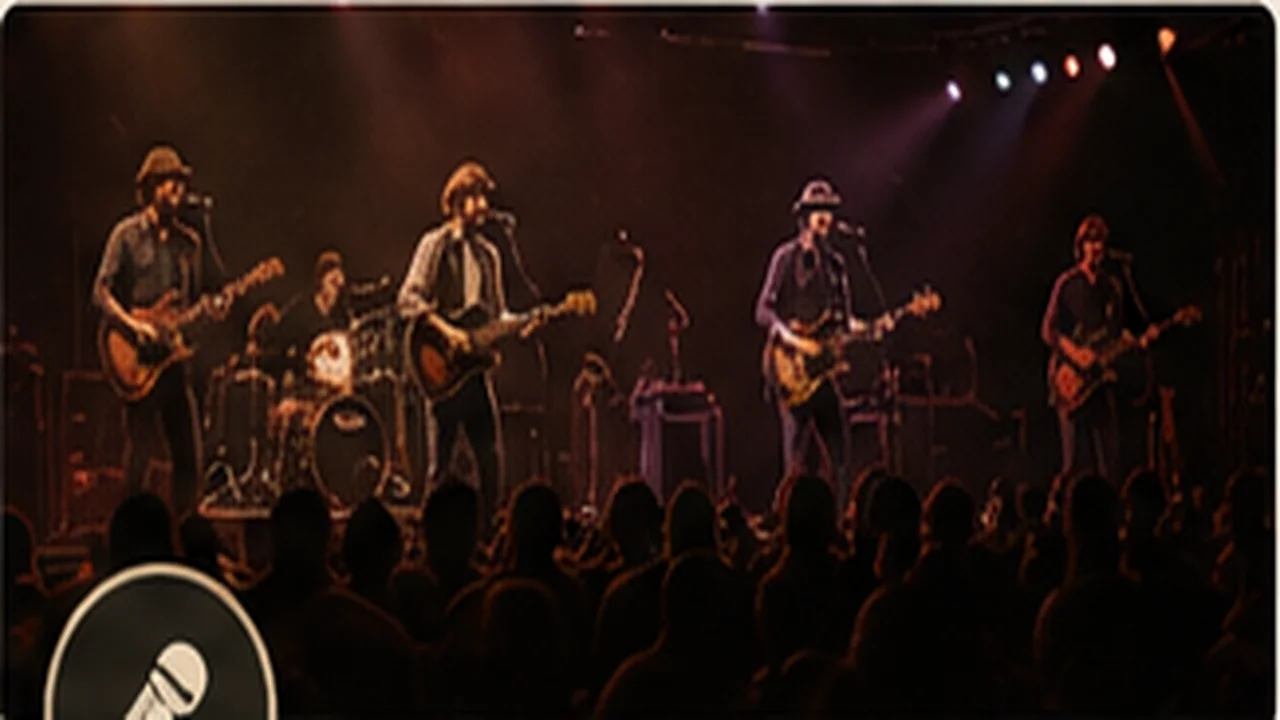
Concerts, festival stages, lighting, audiences, and the interaction between musicians that only exists in front of a crowd.
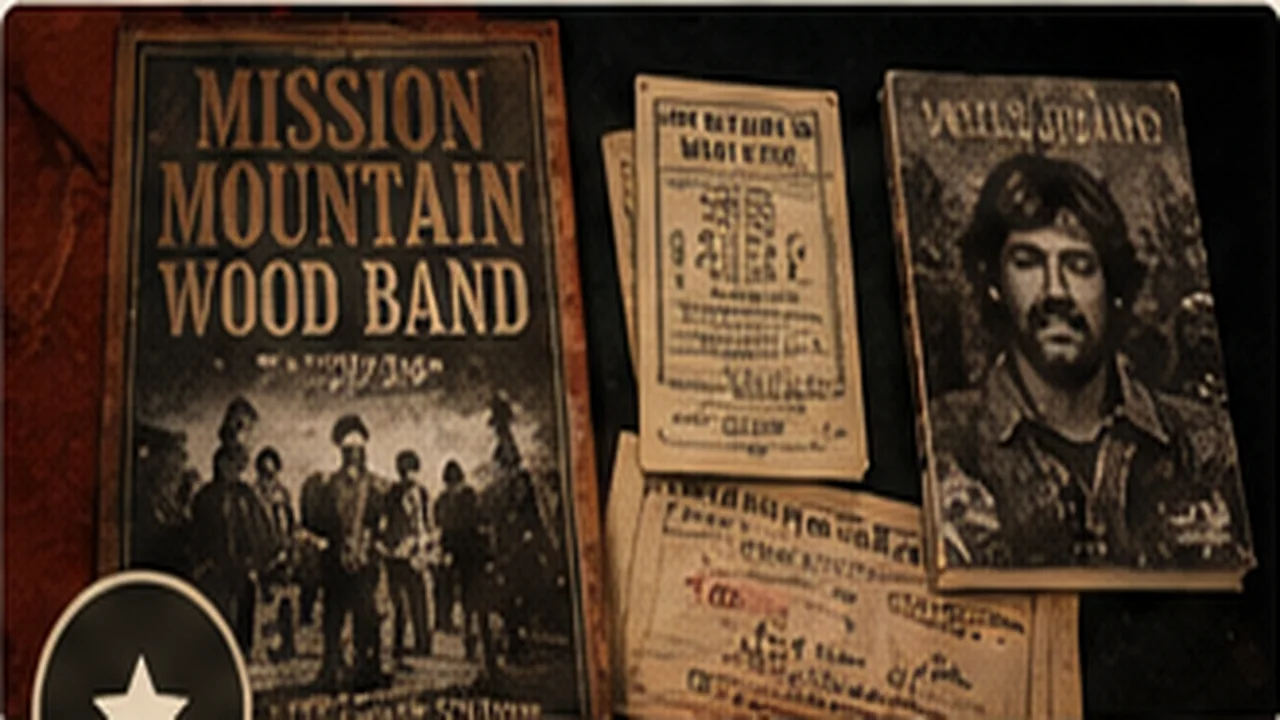
Flyers, tickets, press material, photographs, recordings, and keepsakes that preserve details from different periods.
Band photography is valuable because it records details that written histories often miss. Clothing, instruments, amplifiers, stage layouts, venue size, vehicles, and the distance between performer and audience all help place a moment in time. Even a casual photograph can reveal how touring musicians lived and worked.
Performance images are equally important. They show whether a concert felt intimate or expansive, how musicians positioned themselves on stage, and which instruments were central to a particular lineup. Combined with recordings and concert information, photographs make the history more tangible.
The Montana connection is not only musical. Mountains, open roads, small towns, college spaces, and outdoor stages are part of the visual language surrounding the group. Those settings help explain why songs about place feel natural within the repertoire rather than added as decoration.
For moving images and performance clips, continue to Videos And Performances. The Promotional Materials page focuses on another visual side of the band through press photos, promotional pieces, and presentation material.
Small visual details can help identify an era even when a photograph has no caption. Instrument models, microphone styles, stage lighting, hair and clothing, vehicles, printed posters, and venue architecture can all provide clues. Comparing those details with known recordings or concerts can make an image more informative.
Group photographs are also useful for understanding changing lineups. They show not only who was present, but how the band chose to present itself at a particular time, whether informal, polished, rural, theatrical, or focused on the instruments themselves.
For listeners who experienced the band live, photographs often trigger memories that audio alone does not. A picture of a stage can bring back the room, the crowd, or the people who attended together. That is why visual material remains such an important part of the group’s story alongside recordings and written history.
Photographs become more useful when they are connected with other parts of the site. A stage image can be paired with a known concert period, while a promotional photograph may correspond with a particular release. Following those connections between past events, recordings, and visual material helps turn individual images into a more complete story.