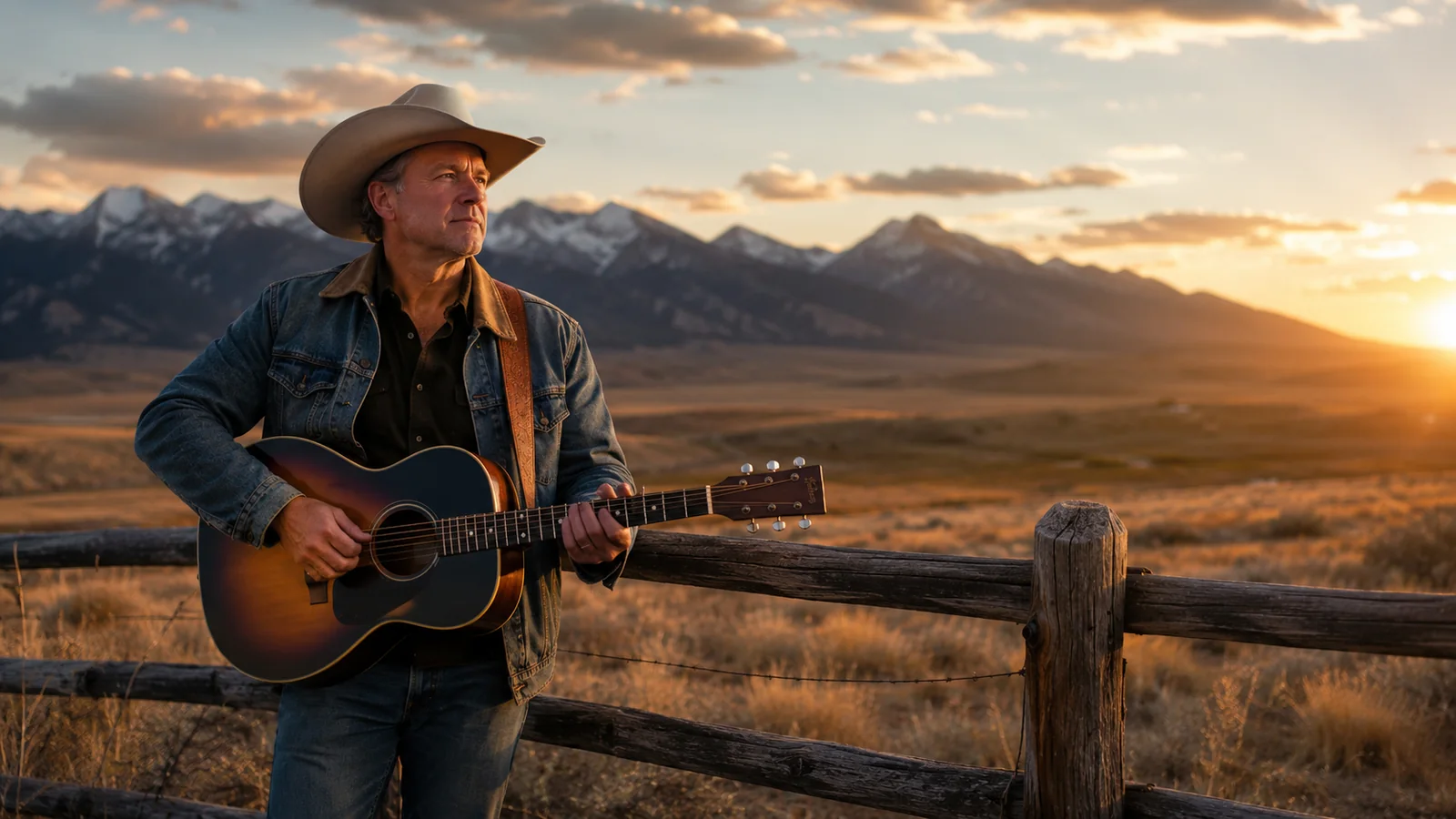
Rob Quist
Founding member, songwriter, guitarist and banjo player.
The band
The history of Mission Mountain Wood Band is a story of Montana musicians turning a local musical connection into a touring life. Formed in 1971, the group developed through shared performances, changing lineups, long drives, recordings, and a style that blended roots music with the scale and energy of country rock.
Rob Quist has described the band’s beginnings as part of his own musical path from growing up in Cut Bank to attending the University of Montana in Missoula. Through the university music community and the broader Missoula scene, he met musicians who would become part of the group. That setting mattered. Missoula had the kind of social and musical environment where folk, country, bluegrass, rock, and college performance traditions could overlap.
The band formed in 1971 and quickly developed an identity that was broader than a conventional bluegrass group. Acoustic instruments and close vocal work remained important, but the musicians were also comfortable with drums, electric guitar, amplified stages, and arrangements suited to a larger crowd. The result was a distinctly Western form of country rock that kept one foot in string-band music.
The group’s history is closely associated with Rob Quist, Steve Riddle, Terry Robinson, Christian Johnson, and Greg Reichenberg. Their musical relationship and shared experiences form the center of the Montana PBS documentary Never Long Gone: The Mission Mountain Wood Band Story. Each musician brought a different role and personality, and the ensemble worked because those differences became part of the sound rather than something to smooth away.
As the years progressed, additional musicians appeared in different lineups and periods. Like many touring bands with a long history, personnel changed as careers, family life, new projects, and practical circumstances evolved. For listeners trying to understand the group, it is more useful to think of Mission Mountain Wood Band as a musical community with a recognizable core rather than a lineup frozen at one moment.
The group’s sound was built on contrast. Banjo, fiddle, acoustic guitar, vocal harmony, and traditional repertoire gave the music a roots foundation. At the same time, the band embraced the momentum of rock rhythm sections and the broader arrangements heard in 1970s country rock. This allowed a set to move from intimate picking to a more forceful full-band performance without sounding like two unrelated groups.
That musical range was especially useful on the road. A band playing clubs, college events, outdoor gatherings, theaters, and regional festivals needed to read a room and sustain energy across a full evening. The ability to combine musicianship with an approachable stage personality helped the group build a reputation beyond Montana.
Touring became one of the defining experiences of the band. Accounts of the period describe extensive travel and appearances across the United States, including well-known music venues and university audiences. The road demanded more than a good set list. It required transportation, equipment, promotion, booking, rehearsal, and the ability to keep performing through changing conditions.
Those practical details are part of why the group’s surviving stories often carry a strong sense of place. A venue, a long drive, a backstage room, a festival field, or a college crowd becomes part of the memory surrounding a song. The band’s identity was shaped as much by those accumulated performances as by any single studio session.
The group’s touring years took it far beyond its regional base. Historical band material has associated Mission Mountain Wood Band with venues including CBGB in New York, the Palomino in California, and the Great American Music Hall in San Francisco, alongside many colleges and regional stages. Those appearances illustrate how unusual the band’s stylistic flexibility could be: Montana roots music could travel into rooms better known for rock, country, or emerging urban scenes.
National exposure did not erase the Montana connection. Instead, travel strengthened it. The group could carry a recognizable Western identity into new markets while returning home with a wider range of influences, contacts, and performance experience.
Studio and live recordings captured different sides of the group. In Without Knockin' became the defining early album, preserving songs that remain associated with the band decades later. Live recordings found in the Private Stash collections provide another perspective because they show how material functioned in front of audiences and how arrangements could change from one setting to another.
Later releases such as Reboot and Now & Then demonstrate that the band’s musical identity did not end with the 1970s. They also make it easier for newer listeners to encounter the group through current streaming services rather than only through collectible vinyl or private recordings.
A long-running band inevitably experiences difficult changes as well as successful periods. The Mission Mountain Wood Band story includes lineup transitions, interruptions, personal loss, and later reunions. These chapters are important because they explain why the band is remembered not simply as an act from one decade, but as a set of relationships that continued to matter to the musicians and audiences afterward.
Reunions offered a different kind of performance from the original touring years. The songs carried history with them, and longtime listeners could hear familiar material with the knowledge of everything that had happened since it was first performed. That sense of continuity is one reason the band remains a recognizable name within Montana music.
The University of Montana’s Missoula Music History Oral History Project preserves Rob Quist’s account of the group’s formation and the wider music scene around it. Montana PBS later devoted a documentary to the band’s journey. Together with recordings, photographs, concert memories, and press material, these sources show why the group continues to attract interest beyond simple nostalgia.
Its legacy sits at an intersection of several traditions: bluegrass picking, country storytelling, folk community, rock-era touring, and the strong regional identity of Montana. That combination makes the band useful as a window into how American roots music developed outside the largest commercial centers.
The next step in the story is the music itself. The music and discography page follows the albums, songs, and Private Stash recordings, while concerts and past events focuses on the live side of the band. The photo collection and video page add a visual perspective to the same history.
Missoula provided an especially fertile setting for the group’s beginnings. A university town can bring together musicians from different places while also supporting informal performance spaces, student events, clubs, and audiences willing to hear styles that do not fit neatly into commercial categories. That kind of environment made it possible for country, folk, bluegrass, and rock influences to meet naturally.
The University of Montana connection is important because it appears in Rob Quist’s own oral-history account. His path through the university music community helped connect him with other musicians and with the broader cultural life that surrounded the emerging band. Missoula was therefore not simply the city where the group happened to start; it was part of the network that made the formation possible.
One of the strengths of the group was the sense that arrangements belonged to an ensemble. Lead voices mattered, but harmony singing and instrumental interaction created much of the personality. This approach is common in bluegrass and folk traditions, where musicians respond to one another continuously, but the band carried that mentality into a more amplified country-rock setting.
That balance helped the group avoid sounding like a rock band with occasional acoustic decoration or a bluegrass band simply playing louder. The instruments and voices occupied different roles depending on the song, which gave the set variety without losing coherence.
The band’s regional identity was a strength because it gave the music a clear point of view. At the same time, the touring years prevented that identity from becoming isolated. Performing across the country exposed the musicians to different venues, audiences, regional styles, and expectations. The result was a group that could remain recognizably Montana while functioning in a national touring environment.
This balance is one reason the band is a useful subject within American roots music. Its story shows how a strong regional identity can travel successfully when it is supported by adaptable musicianship and a convincing live show.
The documentary history of the band places unusual emphasis on the musicians’ relationships with one another. That matters because longevity in music is not only a question of songs and career milestones. Shared years on the road create a private history that can survive periods when the band is less active.
Later reunions and retrospective projects gained meaning from those relationships. They were not simply attempts to repeat an earlier commercial moment. They allowed the musicians to revisit songs and experiences that had shaped their lives, while audiences could reconnect with the same material from a different stage of their own lives.
Founding member, songwriter, guitarist and banjo player.
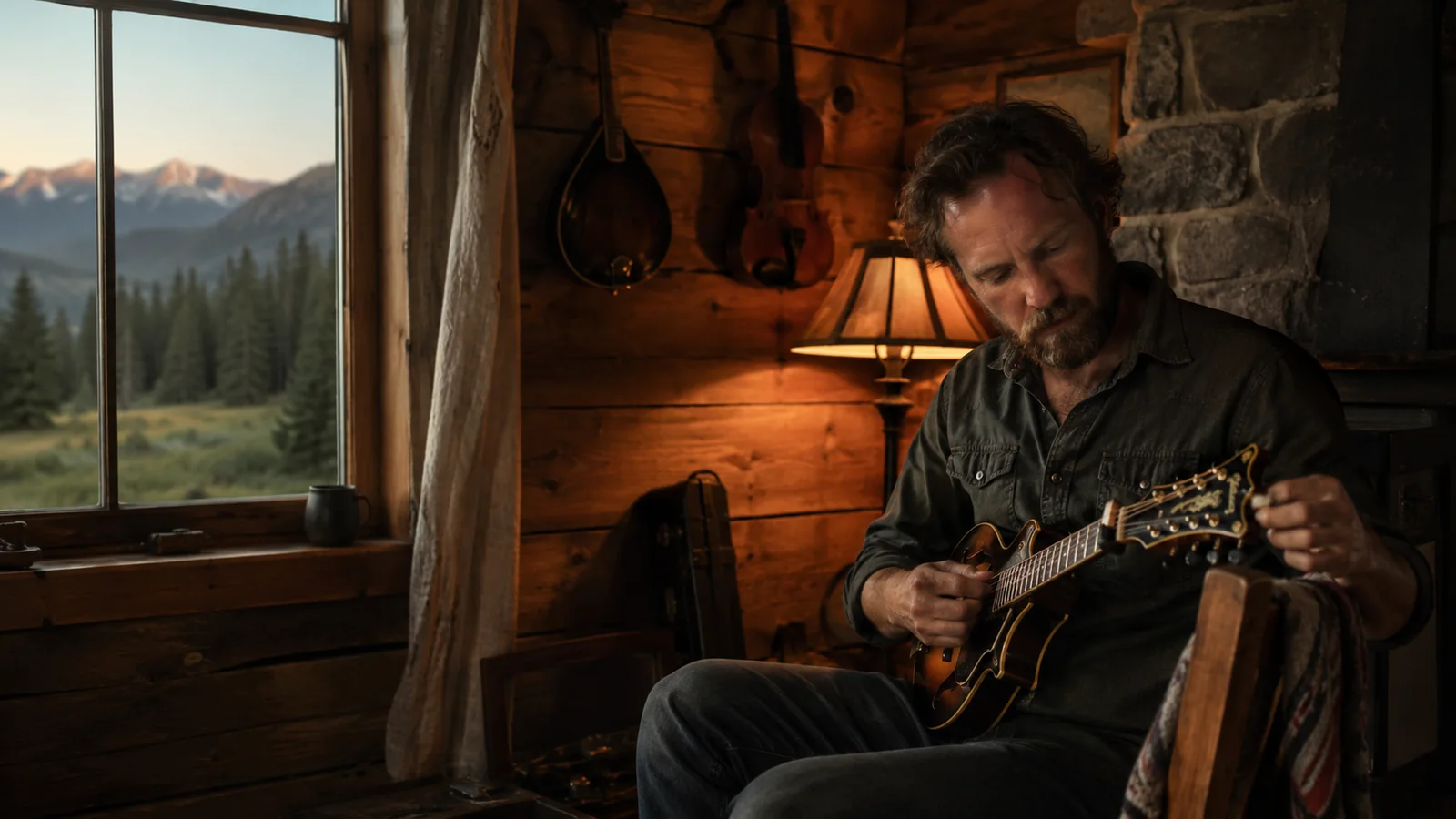
Original bassist and longtime member.
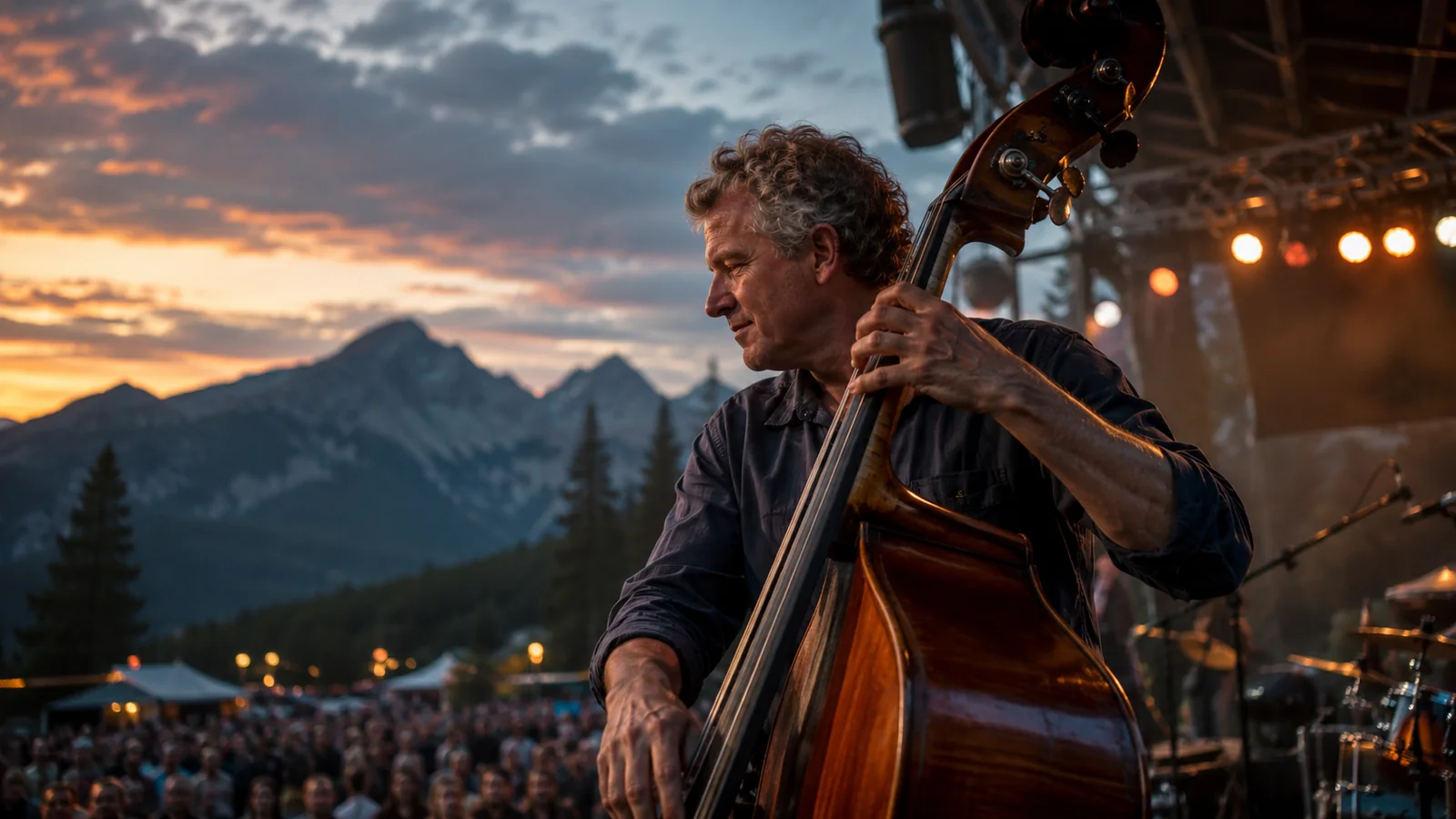
Original drummer and reunion-era member.
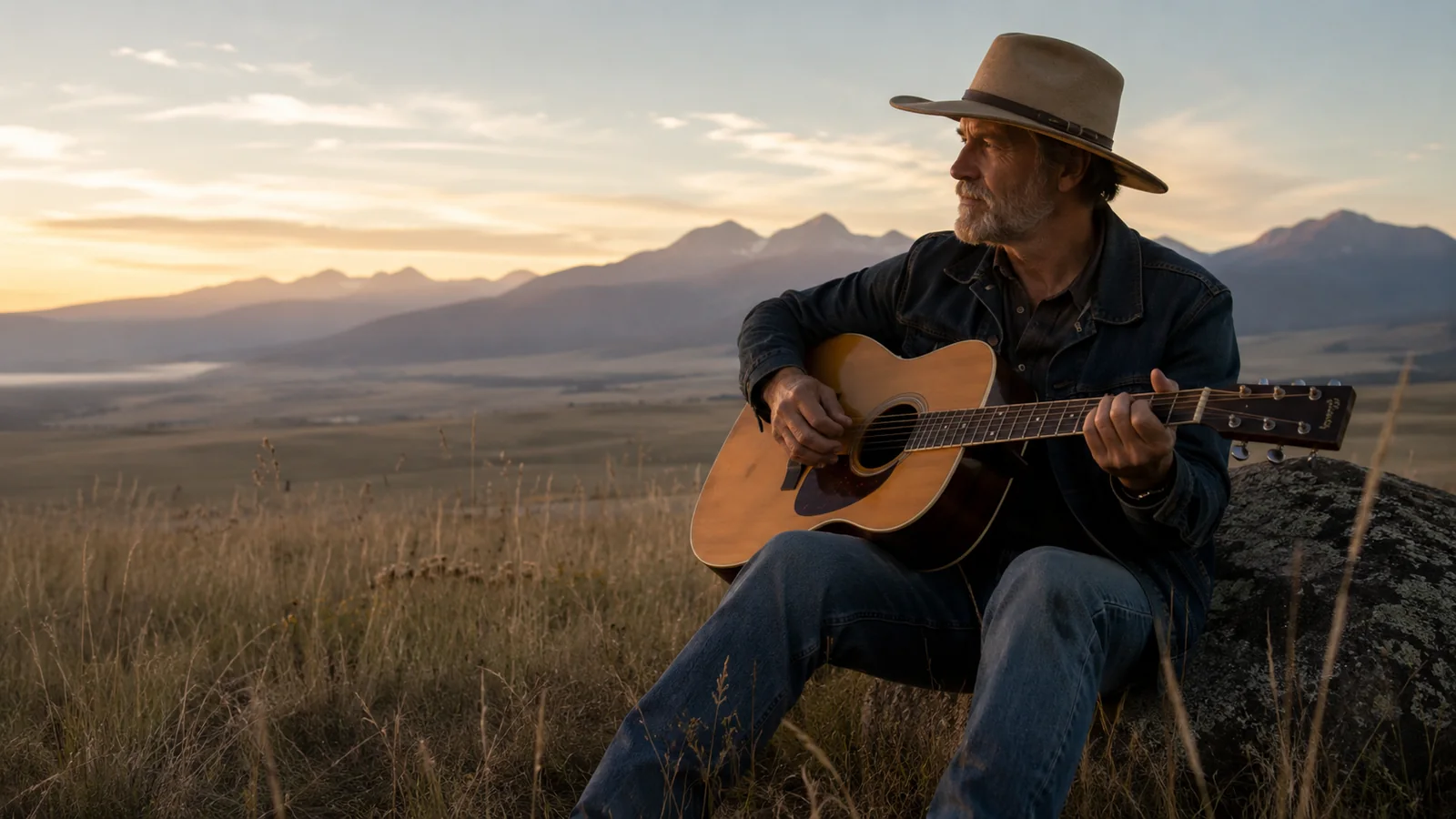
Original lead vocalist and guitarist.
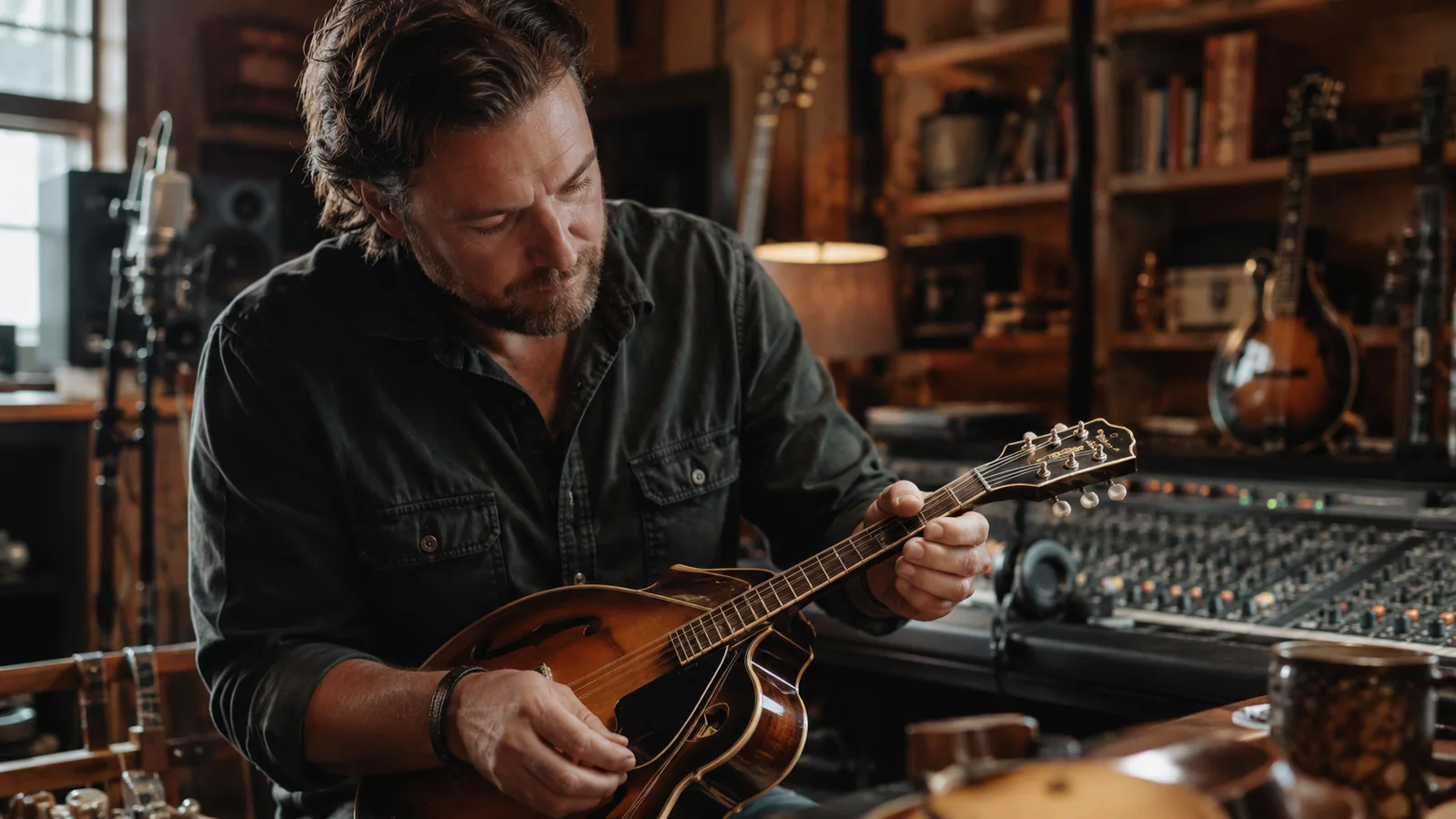
Original guitarist, mandolin player and fiddler.
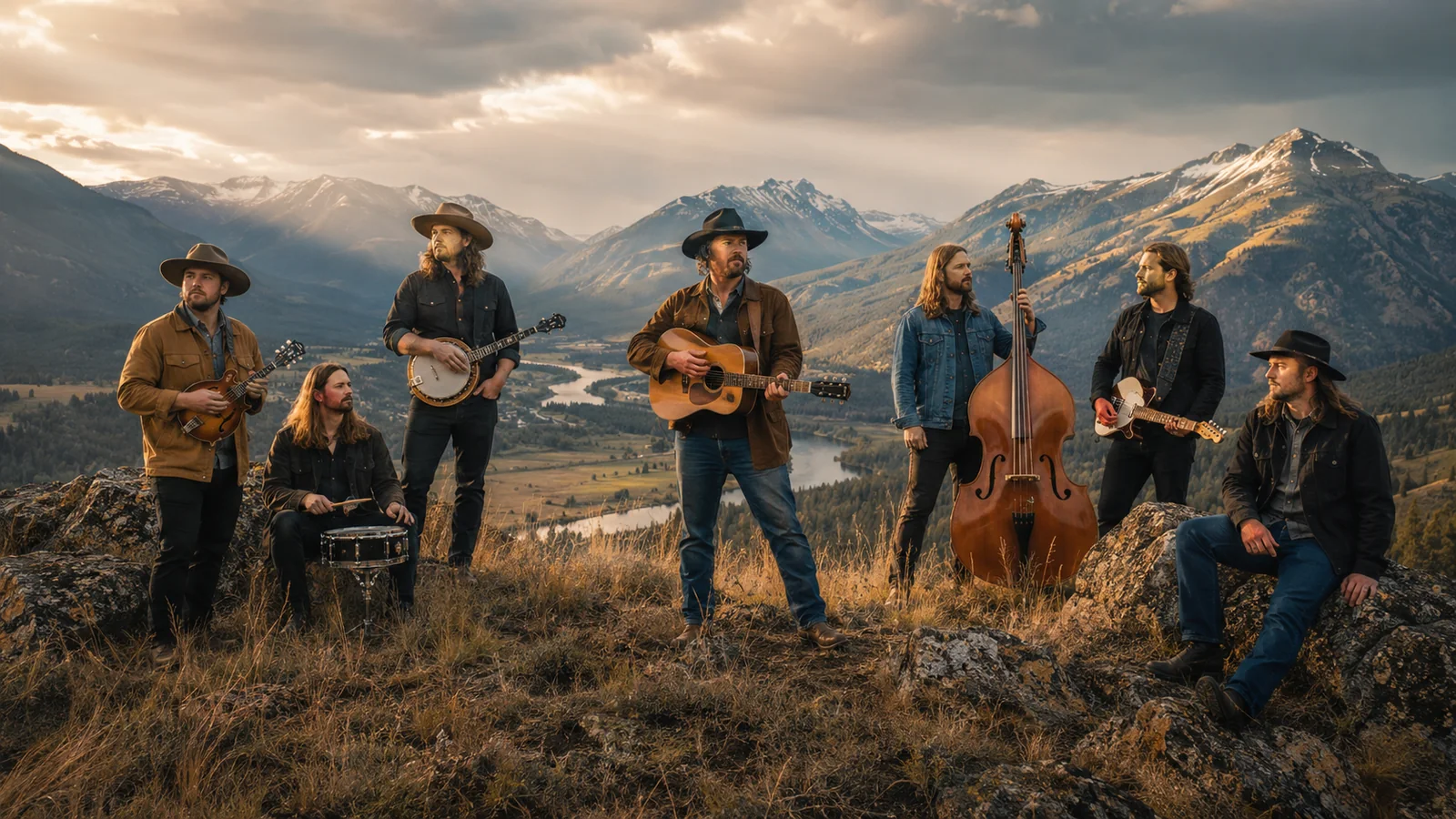
The country-band chapter that followed M2WB.