People & Songwriters
Rob Quist And Mission Mountain Wood Band
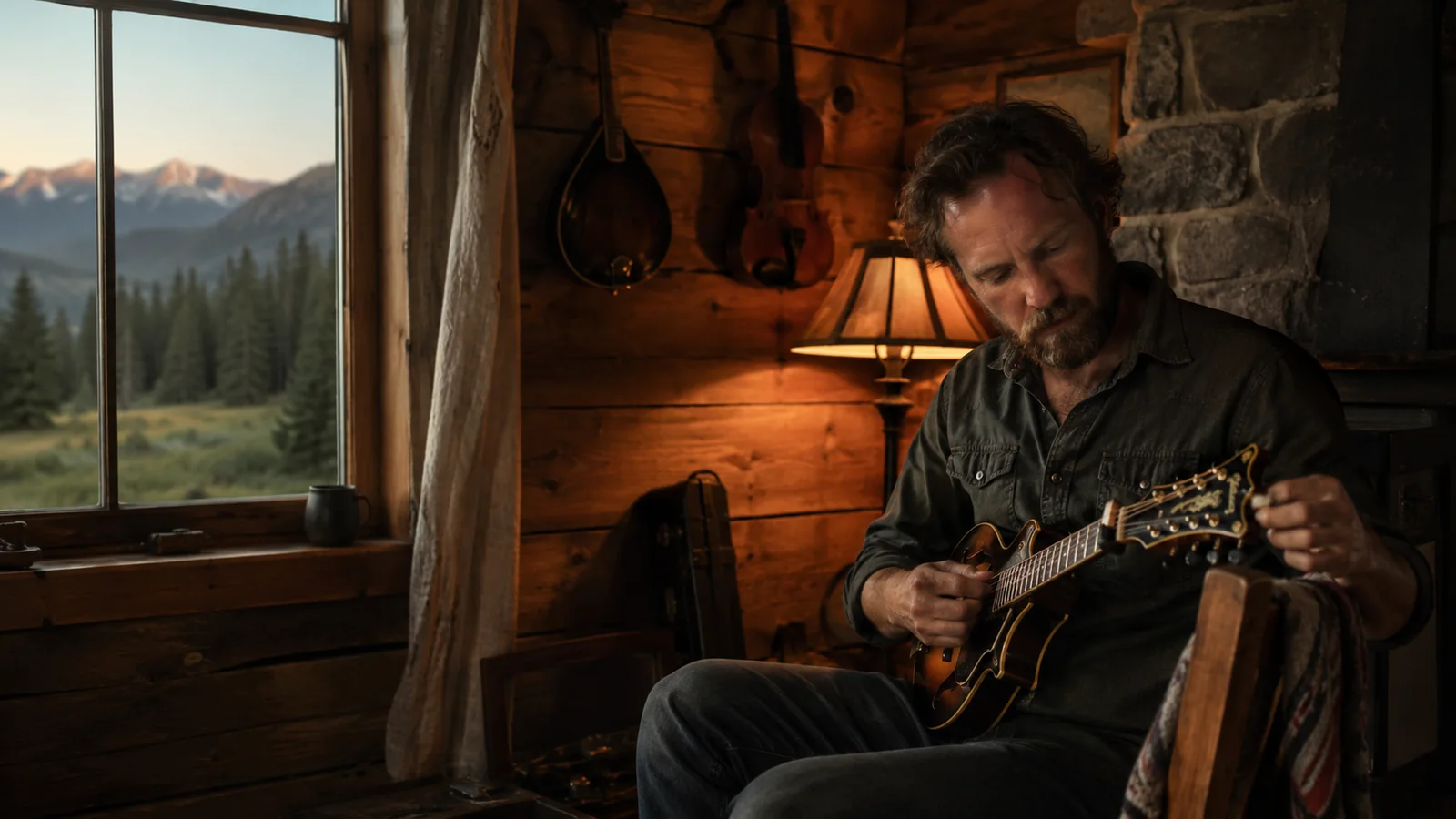
Rob Quist stands at the center of the Mission Mountain Wood Band story as a founding member, singer, songwriter, guitarist and banjo player whose Montana roots helped shape the group’s identity.
From Cut Bank To Missoula
Quist grew up in Cut Bank, Montana, and arrived at the University of Montana with music already playing an important role in his life. At UM he joined the Jubileers, an auditioned singing group, where he met bassist Steve Riddle. Their friendship and shared interest in performing became one of the starting points for what would develop into Mission Mountain Wood Band in 1971.
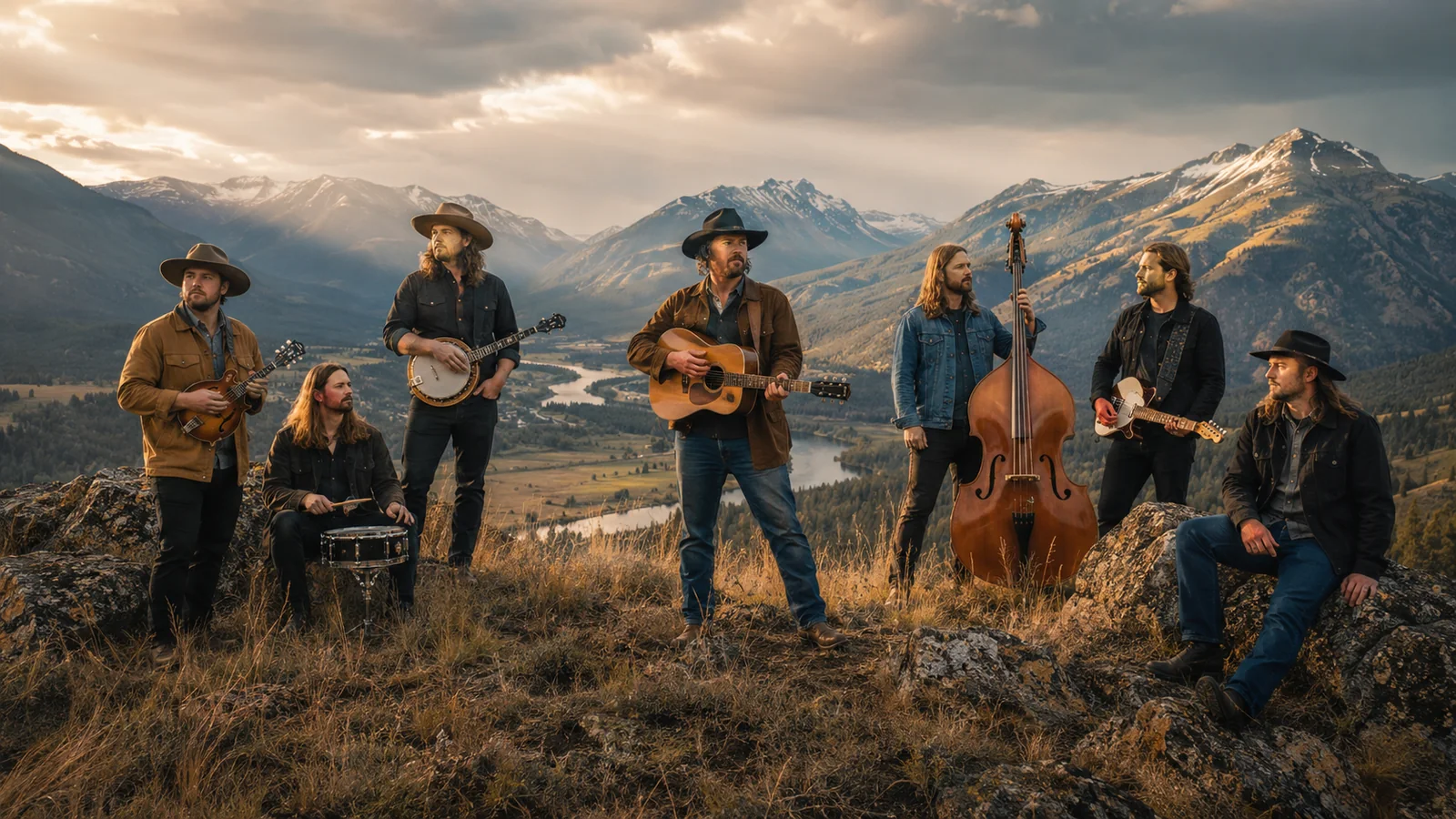
The group grew from an acoustic foundation into a five-piece lineup built around vocal harmony and multi-instrumental ability. Quist’s guitar, banjo, voice and songwriting helped connect the band’s traditional influences with the country-rock energy that defined its live shows.
A Founding Voice Of The Band
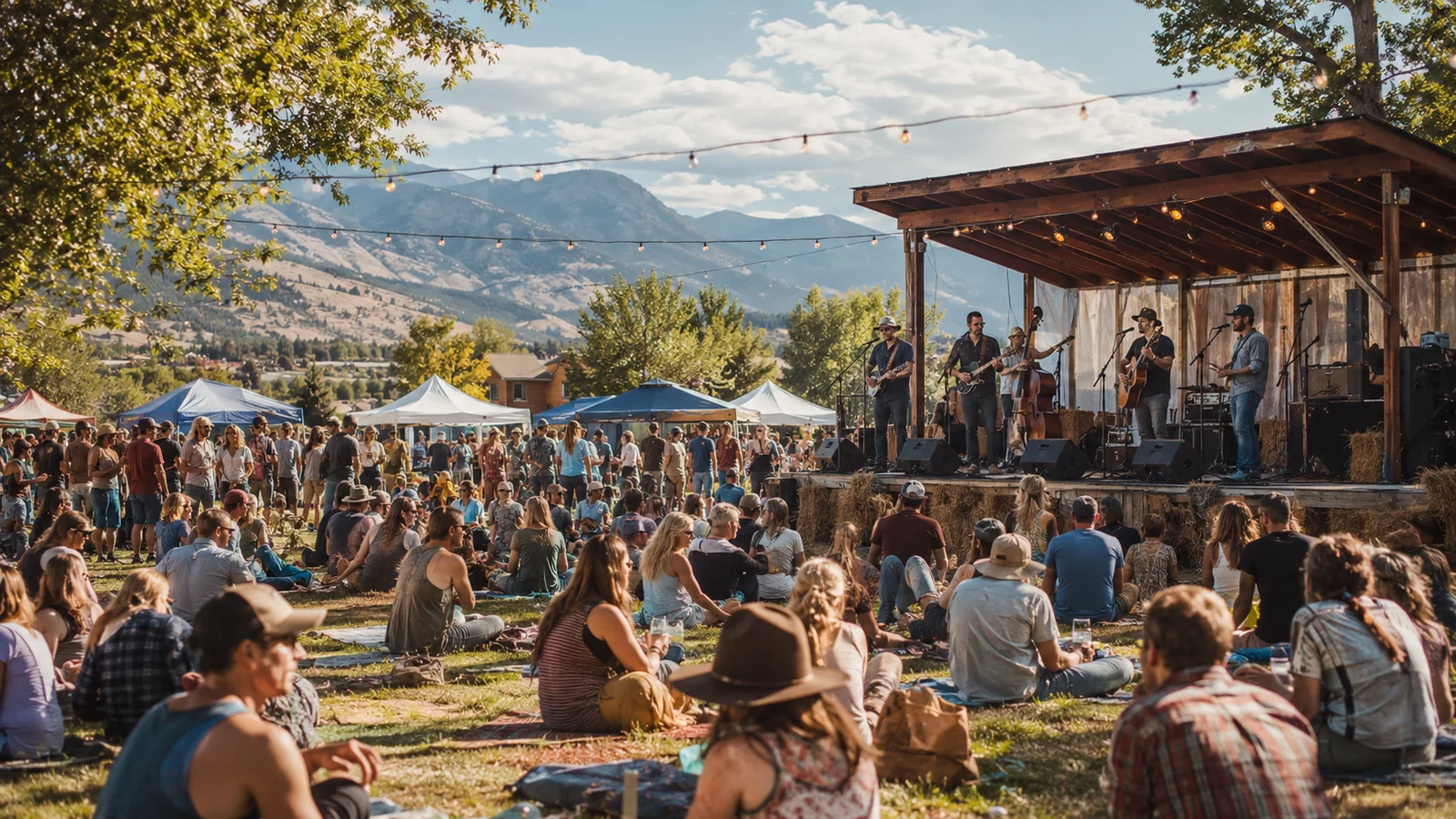
As M2WB developed, Quist became one of its most recognizable voices. The group’s repertoire mixed originals with roots material, while songs tied closely to Montana gave the band a strong sense of place. That combination mattered on the road: the musicians could play college audiences, clubs, festivals and large regional gatherings without losing the personality that made them distinctly Montanan.
The band’s long touring years included a move toward New York, national travel, television appearances and an intense schedule that sometimes reached hundreds of performances in a year. Quist remained a key part of the vocal blend and stage presentation throughout that period.
Songwriting And Recorded Music
The 1977 album In Without Knockin' became a central document of the group’s early recorded sound. Songs such as Mountain Standard Time and Sweet Maria became enduring parts of the band’s musical identity. The album sits between folk and bluegrass traditions, country songwriting and the loose energy of a road-tested rock band.
Quist continued writing and performing after the original M2WB era. His career also included the Montana Band, solo work and later performances with Great Northern and family-based projects. Even as those chapters developed, periodic M2WB reunions kept the connection between Quist and the band visible to longtime listeners.
Reunions And Later Performances
Surviving members reunited in the early 1990s and returned for additional concerts over the following decades. Quist remained central to those appearances, helping reconnect the songs with audiences who remembered the original touring years while introducing the material to newer listeners.
Later releases such as Reboot and Now & Then expanded the recorded story beyond the 1970s. These projects placed familiar members alongside later collaborators and reinforced the idea that M2WB was more than a nostalgia act: it remained a working musical relationship.
Rob Quist In Montana Music
Quist’s importance extends beyond a single band. His career connects the University of Montana music community, the Missoula concert scene, regional songwriting, national touring and later generations of Montana performers. That broader context is one reason the Mission Mountain Wood Band story continues to appear in oral histories and documentaries about the state’s music culture.
Connections Across The M2WB Story
Following Quist through the site opens several connected chapters. Aber Day Kegger shows the local performance culture that helped build the band’s following, while the tour bus represents the national road years that followed. The transition into the Montana Band then shows how musicians from M2WB continued working after the first era ended.
Those links are useful because Quist’s story cannot be separated cleanly into “band” and “solo” periods. His songwriting, Montana identity and relationships with fellow musicians continue across several projects, making him one of the strongest connective entities in the wider M2WB history.