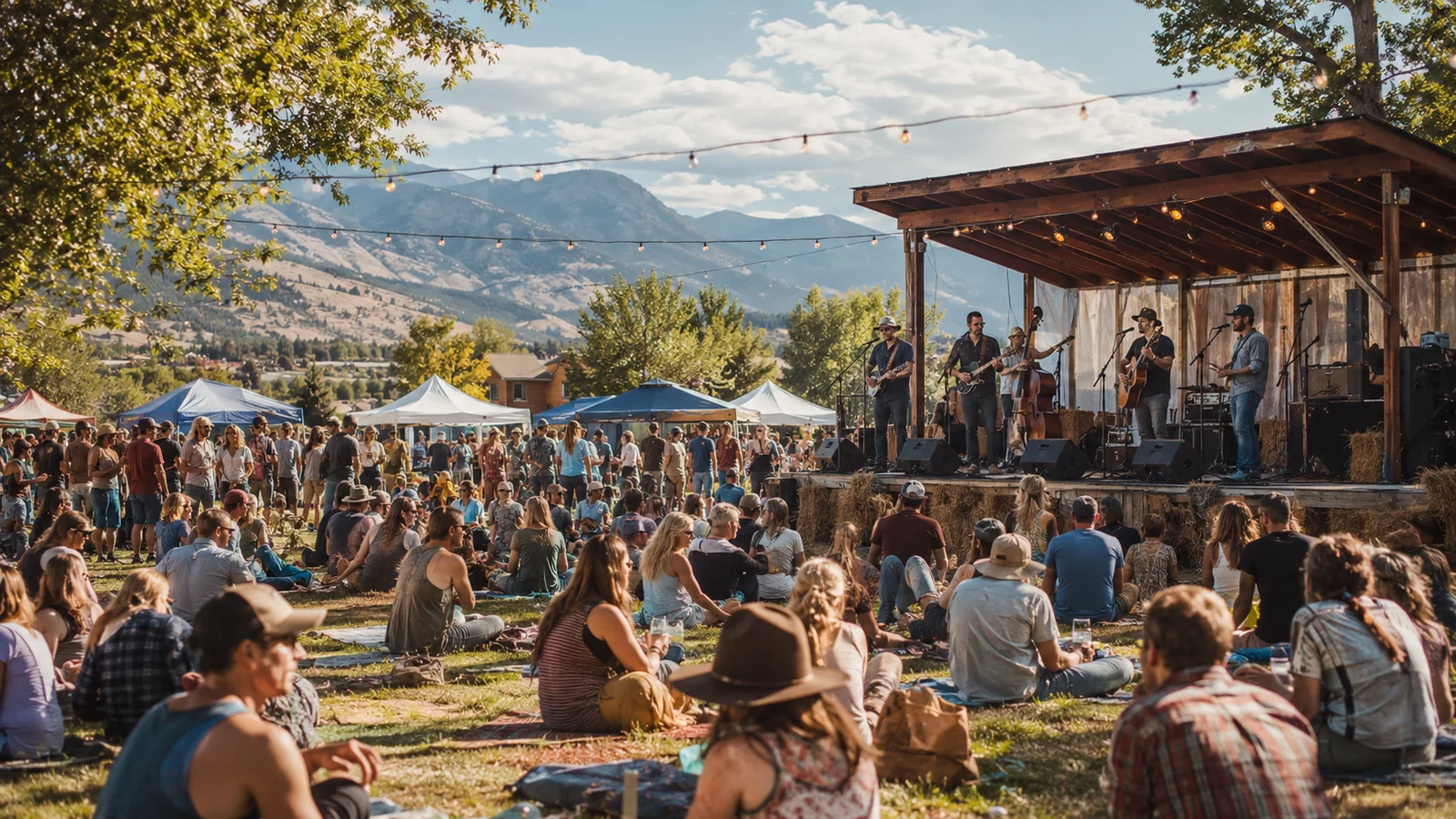
Aber Day Kegger
The University of Montana event closely linked with the band.
Live performances
Concerts were the center of Mission Mountain Wood Band’s identity. From Montana stages to clubs, colleges, festivals, and national venues, the group built its reputation through live performance and the constant movement of a touring band.
The group’s mix of bluegrass, country, folk, and rock made particular sense on stage. Acoustic instruments could create an intimate opening, vocal harmonies could pull an audience into a song, and the full rhythm section could push the same set toward a larger country-rock sound. That flexibility helped the band adapt to a wide variety of rooms and audiences.
A live schedule also shaped the music itself. Songs that work night after night tend to evolve. Tempos settle, introductions change, instrumental breaks expand, and performers learn where an audience responds. The live recordings associated with Private Stash provide evidence of that ongoing process.
Montana remained the emotional and practical center of the band’s performance life. Missoula and the University of Montana music community were part of the group’s beginnings, while later shows connected the musicians with audiences across the state. Concerts in places such as Billings, Great Falls, Choteau, Helena, and other Montana communities helped keep the band’s regional relationship alive across different periods.
For a group with strong Montana imagery in its songs, returning to local stages carried a different meaning from an ordinary tour stop. Audiences often brought years of shared history to reunion performances and later appearances.
University and college audiences were important to many touring bands in the 1970s, and Mission Mountain Wood Band was well suited to that circuit. The group’s mixture of musicianship, humor, roots repertoire, and rock energy could work for listeners who came from different musical backgrounds. College events also created opportunities to travel widely without abandoning the band’s regional identity.
Long-distance touring demanded discipline. The practical side included moving instruments and amplification, maintaining vehicles, arriving for soundchecks, promoting shows, and keeping a set fresh across repeated performances. Those details rarely appear on an album cover, but they are part of the reason the group became so strongly associated with road life.
Historical band material connects the group with venues including CBGB in New York, the Palomino in California, and the Great American Music Hall in San Francisco. Each represented a different musical environment. Playing across those settings demonstrated how far the band’s Montana-rooted sound could travel.
The New York period is particularly visible in the Private Stash collections through recordings labeled Live From the Big Apple and More Bytes from the Big Apple. Those recordings give the touring story a musical soundtrack rather than leaving it only as a list of dates and cities.
Outdoor performances and community events suit the band’s sound naturally. Bluegrass-derived instrumentation and country-rock arrangements both benefit from a festival atmosphere, where a performance can feel communal rather than formal. Montana’s summer event culture also provided a setting in which local identity, landscape, and music could meet in one place.
The band’s connection to the Aber Day tradition in Missoula belongs to this broader story of large community gatherings and live music. Rob Quist’s oral-history interview for the University of Montana discusses the music scene around the band, including the social and performance culture that developed in Missoula during those years.
Later performances carried a different emotional weight from the original touring years. Reunion shows brought musicians and audiences back to material that had accumulated decades of personal meaning. A song such as “Sweet Maria” or “Mountain Standard Time” could function both as a performance and as a shared memory.
These later shows also introduced the band to listeners who had not been present in the 1970s. Family members, younger Montana musicians, and new fans could encounter the songs live rather than only through recordings.
Live music leaves behind more than set lists. Posters, ticket stubs, photographs, backstage snapshots, press mentions, and audience memories all help preserve the atmosphere around a performance. The photos page focuses on those visual elements, while the videos page links to performance footage that captures movement, stage interaction, and crowd energy.
The music and discography page provides the studio and live-recording context for the songs heard in concert. For the broader story of how the group developed into a touring act, continue with the band history.
Concert history is often incomplete when it is reduced to dates and venues. The memories of people who attended shows can preserve details that formal records miss: an unexpected encore, a weather change at an outdoor performance, a musician’s introduction to a song, or the atmosphere of a crowded room.
Those memories are especially meaningful for regional bands because audiences may have seen the same group repeatedly over many years. A concert can become part of a community’s own history, not simply a stop on a tour schedule.
The relationship between stage and studio runs throughout the band’s catalog. Songs tested live could become tighter before recording, while studio arrangements could later expand on stage. The Private Stash volumes are useful precisely because they preserve material in performance rather than presenting only finalized studio versions.
Listeners who want to compare those sides can move between this page and Music And Discography, where the principal albums and live collections are organized together.
The University of Montana event closely linked with the band.
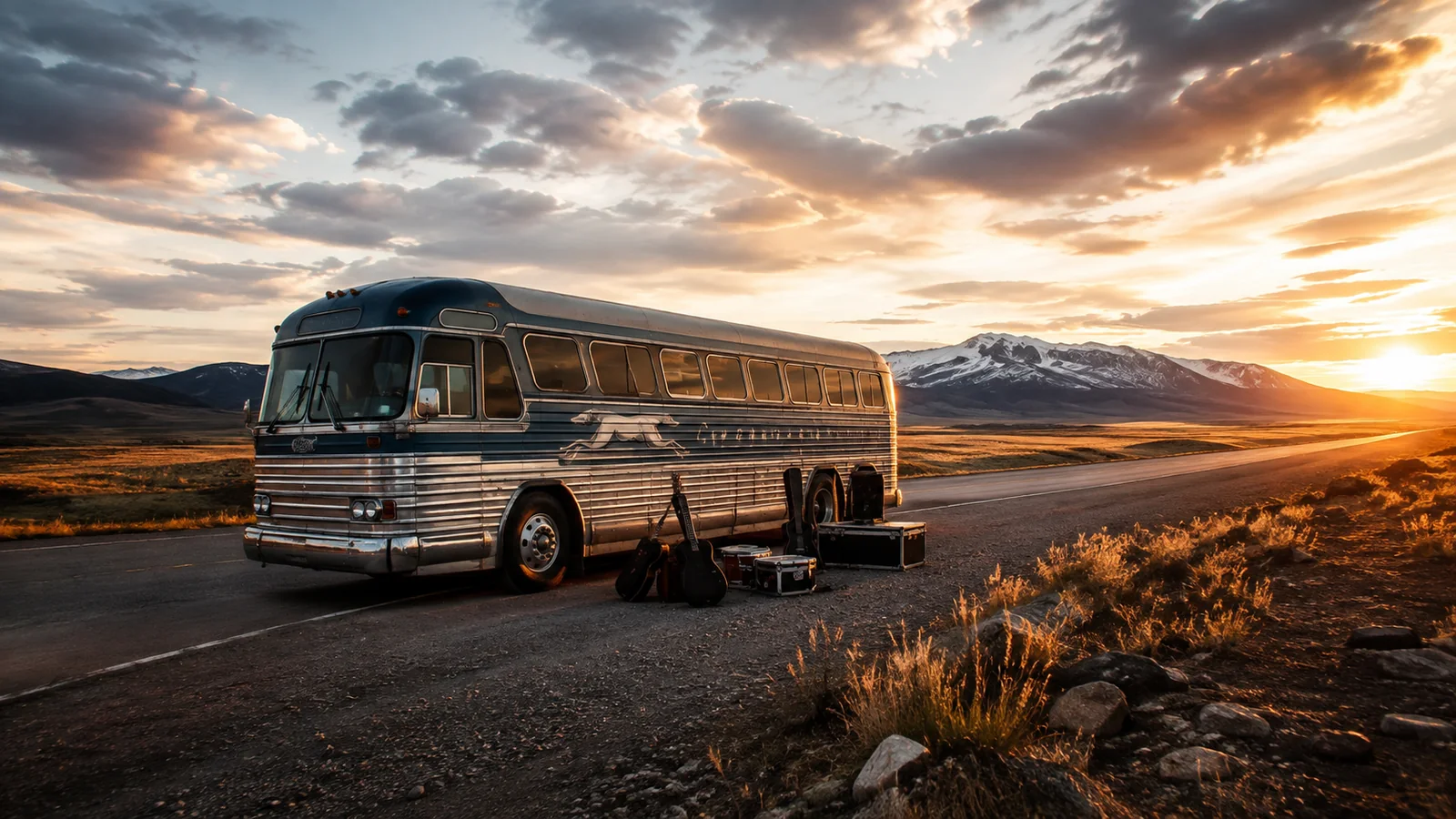
The Scenicruiser that carried the band across the country.
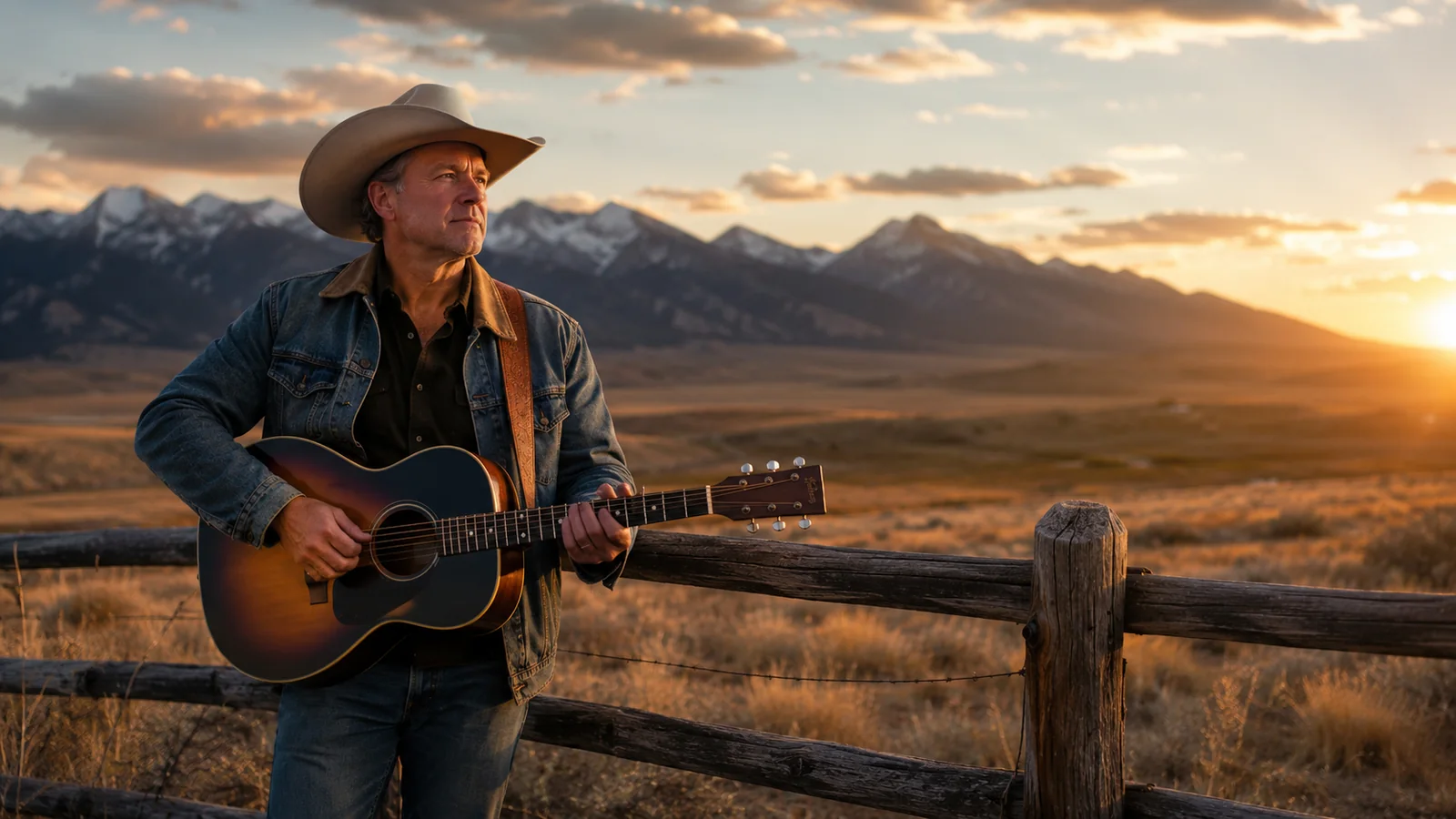
A founding voice throughout the touring years.
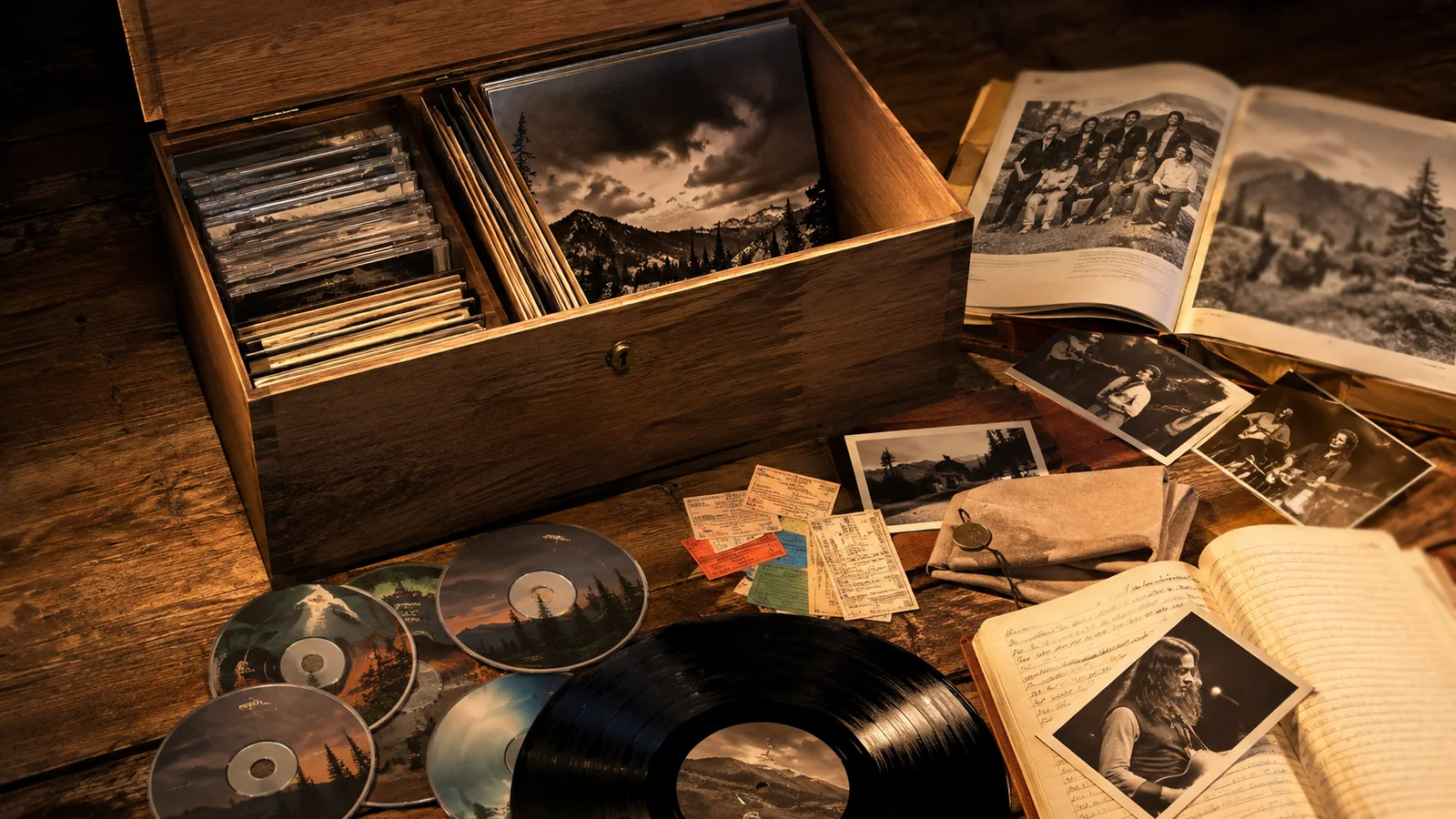
Live recordings that preserve another side of the band’s performance history.